
Spain’s pension funds and family offices turn to international managers for alternative investment strategies
Spain’s retirement market is still smaller than other European nations, but growth in the system represents a “significant opportunity" for international managers, says Mercer’s head of investments. Meanwhile, family offices are eager to work with asset managers to power their alternative investments.


According to Jorge Bernaldo de Quirós Martín, head of investments at Mercer, Spain's pensions industry is seeing “a trend towards globalisation and investment in illiquid alternatives”, with international managers playing a key role in delivering these alternative investment strategies.
Figures from Inverco, the Spanish Association of Investment and Pension Funds, reveal that assets in the individual pension scheme system hit more than €90bn (£77.3bn) in August 2024. Between January and August last year, assets in the system grew by more than €5bn.
While Bernaldo de Quirós Martín says pension and insurance funds still play a “minimal role” in typical Spanish households’ savings – which are characterised by more deposits and housing – growth in illiquid assets will "help bridge the gap between Spain and its European counterparts, providing a pathway for more robust pension fund performance”.
He explains: “In qualified pension plans, the average weight of illiquid alternatives in Spain is between 7 per cent and 10 per cent, compared to 20 per cent to 25 per cent in Europe. This presents a significant opportunity for growth, particularly for international managers.”
Investing in illiquid assets can 'help bridge the gap between Spain and its European counterparts, providing a pathway for more robust pension fund performance'
Figures from Deloitte’s ‘Reshaping Spain's investment landscape’ report reveal that international fund managers represented 42 per cent of the Spanish asset management market last year, up from just 12 per cent in 2008.
Alberto Torija, the partner in-charge of investment management at Deloitte Spain, confirms that the “main opportunity" to support Spain’s pension fund industry “is about alternative investments”. Meanwhile, growth has been “impressive” in Spain’s asset management sector during the past five years, with uninterrupted net inflows for the past 56 months, according to Torija.
He explains: "The alternative investment industry in Spain has experienced a significant growth in recent years, not only in terms of assets under management but also in terms of vehicles and strategies.”
Private equity, private credit and infrastructure appear to be areas Spanish funds are interested in, he says, “as they add value with low levels of volatility to the portfolio".
The largest of Spain's asset managers now rival international giants in their reach. According to WTW’s Thinking Ahead Institute, Spain’s market has produced 10 asset managers in the world’s top 500, of which three are in the top 150. The largest three are Santander, which now has assets under management of €239.5bn and operates in 10 countries, the €184.3bn CaixaBank and the €162.7bn Banco Bilbao Vizcaya Argentaria.
How Spain's retirement market stacks up internationally
In a recent report for Deloitte, Ángel Martínez-Aldama, Inverco’s chair, said Spanish pension funds still have a “long way to go”, as they still account for only 9 per cent of the country's GDP, compared with the OECD average of 40 per cent.
Spain came 26th in Mercer’s 2024 Global Pension Index, which ranked 48 retirement markets on factors including pensions adequacy and integrity, with an overall score of 63.3 out of 100. The Netherlands topped the rankings with a score of 84.8, while the UK came in 11th place with a score of 71.6.
With a "C+" grade ranking in the index, Spain's retirement system has been flagged by Mercer as one that has "some good features", alongside either "major risks" or "shortcomings that should be addressed".

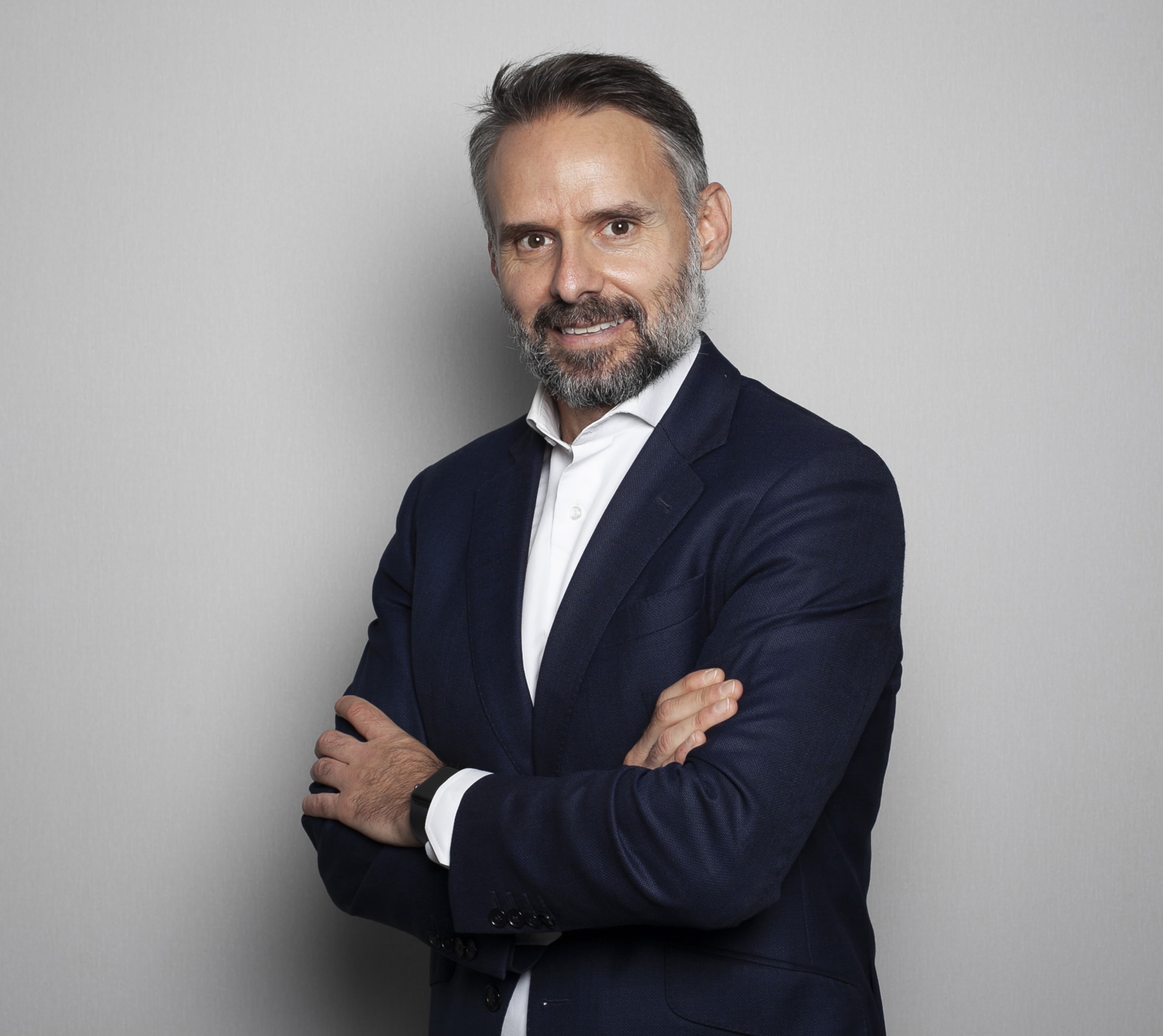
Mercer's Jorge Bernaldo de Quirós Martín © Mercer
Mercer's Jorge Bernaldo de Quirós Martín © Mercer
International managers can play a role in encouraging Spanish investors to adopt a more risk-oriented approach in their retirement investments, to shore up their future finances
While the retail investor market is much larger in Spain than in other European nations – with households representing more than three-fifths of fund investors (62.4 per cent) compared with just over a quarter (25.8 per cent) across Europe – there is still a role to play for institutional asset managers as the pension system grows.
Bernaldo de Quirós Martín explains that international managers can help in improving levels of financial education and “encouraging Spanish investors to adopt a more risk-oriented approach, particularly in equities and alternative investments, to better prepare for retirement”. Inverco has also recommended 15 measures to boost take up of pension plans in the country, including an "institutional campaign to promote the pension plans”.
Education will also be key to helping the industry as it grows, with fiduciary managers making an "ongoing effort to educate trustees on the benefits of incorporating illiquid assets into their portfolios for enhanced returns and diversification”, he adds.
Agreements must also be made between employers and unions, alongside the government providing tax incentives, “to establish large industry pension plans”, he says.
As assets under management grow further to get closer to other European pension systems, Torija says there must be a “joint effort” by the public and private sector, along with “structural and cultural change” from investors.
But managers also face a hurdle in maintaining the trend of giving clients “the best solutions” when it comes to performance and liquidity, especially “in an industry where competence is pushing to gain market share”.
They will also need to "keep on improving" the diversity of vehicles offered to clients, alongside using artificial intelligence and other technology to help the industry achieve greater “financial sustainability”, he adds.
Supporting Spain's family offices with alternatives
Away from pension funds, Torija says managers have been able to address the demand for “specific products mainly for affluent and private banking clients”.
He explains: "Spanish family offices have always shown a great interest in asset management. In fact, some of the players in the industry were, originally, family offices that extended their services to a wider range of clients.”
Inverco’s Martínez-Aldama says in Deloitte's report that international fund managers can “play a major role” in supporting Spanish individual investors, “especially in private banking and fund of funds with international assets”.

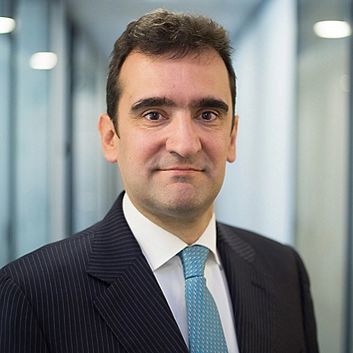
Deloitte's Alberto Torija © Deloitte
Deloitte's Alberto Torija © Deloitte
In recent years, the number of wealth consultancy services targeting Spanish private investors has also grown. CaixaBank’s OpenWealth service, which was launched in the middle of 2022, had more than €7.3bn in assets under supervision by the end of April 2024, from 45 clients. This makes it "not only the largest wealth advisory firm for ultra-high-net-worth clients, but also the largest multifamily office service in Spain", according to CaixaBank.
Although Spanish pension funds are more interested in creating investment strategies that are appropriate for the risk profile of their members, family offices in the country are more focused on things like tax efficiency, capital preservation or succession planning in family business, Torija explains. These differences feed through into portfolio construction.
“While pension funds build balanced portfolios with a majority of liquid assets, family offices are more open to include alternative investments or less liquid assets in their portfolio definition,” Torija says.